AWS Launches European Sovereign Cloud

In Nomine, in cooperation with Finnish communications agency OSG Viestintä, announces that Amazon Web Services (AWS) has announced the general availability of the AWS European Sovereign Cloud and plans to expand the service across Europe. As part of this expansion, new AWS Local Zones will be established in Belgium, the Netherlands, and Portugal. In addition, Amazon plans to invest more than €7.8 billion in the AWS European Sovereign Cloud in Germany and to support an average of 2,800 full-time jobs annually.

Potsdam, January 15, 2026 – Amazon Web Services (AWS) today announced the launch of the AWS European Sovereign Cloud. This is a new, independent cloud service located entirely within the European Union and physically and logically isolated from other AWS Regions. The service is designed specifically for European governments and organizations that process sensitive data and require strong sovereignty, security, and legal assurances.

AWS also announced its intention to expand the European Sovereign Cloud beyond Germany across the European Union to meet stringent requirements for data residency, isolation, and low latency. The expansion will begin in Belgium, the Netherlands, and Portugal.


Since the beginning of AWS operations, the company’s global cloud and artificial intelligence infrastructure has provided customers with full control over the location and movement of their data. This is supported by technical and operational controls as well as a global infrastructure that ensures high reliability, security, and availability.

The expansion of the AWS European Sovereign Cloud and AWS Local Zones into three additional countries gives organizations more options to use cloud services at the highest level of independence while retaining access to the broad portfolio of AWS services. AWS Local Zones enable customers to keep data in a specific geographic location to meet data residency requirements. For more stringent needs, customers can also use AWS Dedicated Local Zones, AWS AI Factories, or AWS Outposts at their own locations, including on-premises data centers.

“Europe needs access to the most reliable cloud and artificial intelligence technology,” said Stéphane Israël, Chief Executive Officer of the AWS European Sovereign Cloud. “The expansion of AWS innovation across Europe will help accelerate customers’ growth and artificial intelligence ambitions. Customers want the best of both worlds: the capabilities of AWS cloud and AI services, combined with the assurance that their sovereignty requirements are met. A cloud built for Europe gives organizations the confidence to innovate and full control over their digital assets.”

Key Capabilities

Autonomy
The AWS European Sovereign Cloud is fully isolated from other AWS Regions and operated exclusively by residents of the European Union. The service does not rely significantly on infrastructure outside the EU and can continue to operate even if connectivity with the rest of the world is disrupted. In extreme circumstances, authorized AWS employees who are EU residents have access to a copy of the source code required to maintain the cloud.

Data Residency
Customers have full control over where their data is stored. All service-related metadata—including identity and access management (IAM), billing, and usage data—remains within the European Union.

Technical and Compliance Controls
Security is the foundation of digital sovereignty. The AWS European Sovereign Cloud uses the AWS Nitro System, which establishes a strong security boundary and prevents access to customer data, including by AWS employees. In addition, AWS provides advanced encryption and key management services as well as hardware security modules. The service complies with the independently validated AWS European Sovereign Cloud: Sovereignty Reference Framework (ESC-SRF), whose audit reports can be used by customers to demonstrate compliance.

Amazon Web Services

Amazon Web Services (AWS) is driven by customer obsession, a fast pace of innovation, a commitment to operational excellence, and long-term thinking. Nearly two decades of democratizing technology and making cloud computing and generative artificial intelligence accessible to organizations of all sizes and across all industries have made AWS one of the fastest-growing enterprise technology companies in history. Millions of customers trust AWS to accelerate innovation, transform their businesses, and shape the future. With the broadest artificial intelligence capabilities and a global infrastructure, AWS enables developers to turn big ideas into reality.

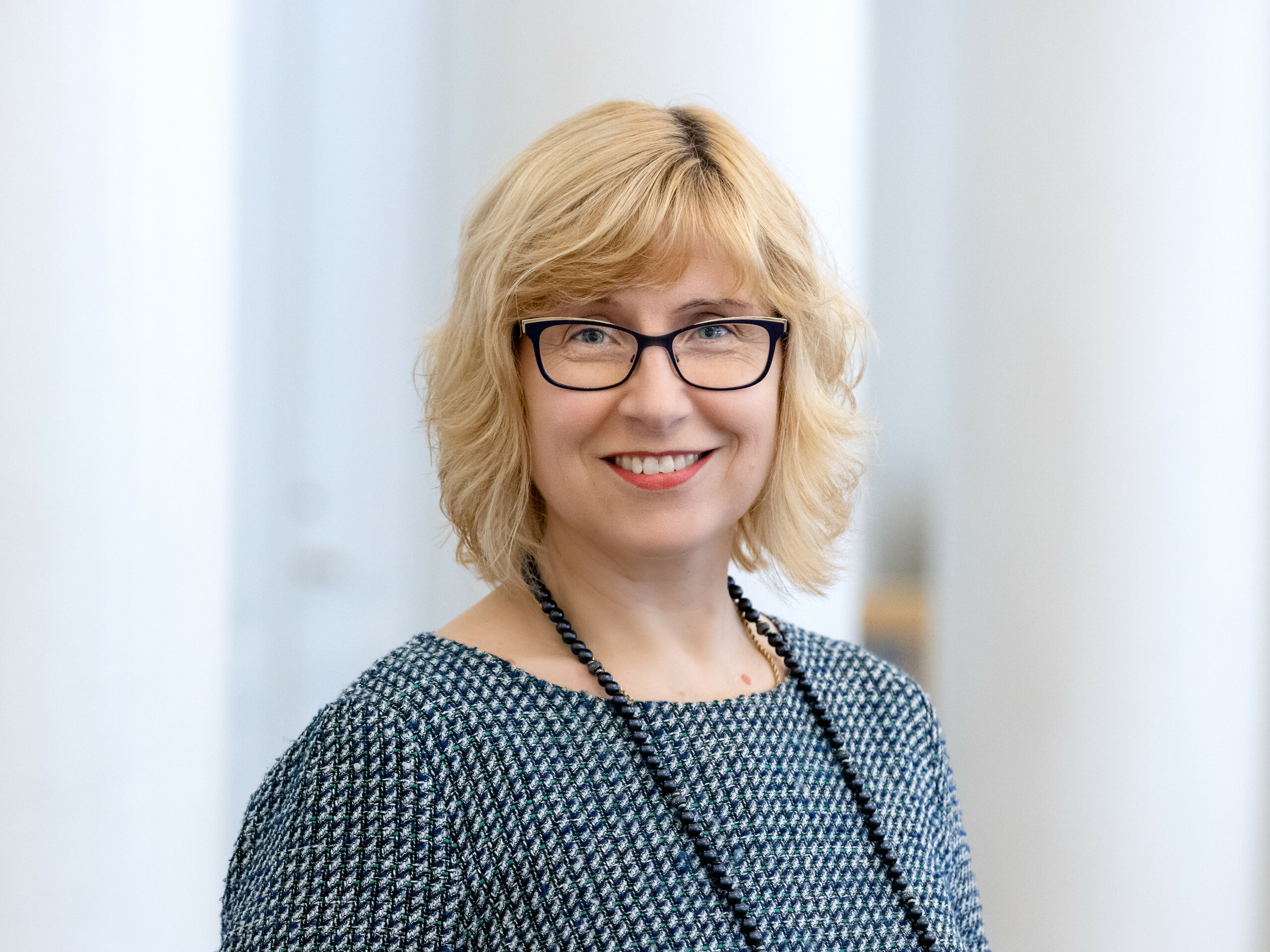
Photo: Matt Garman, CEO of AWS.

DSV Completes Legal Merger With Schenker in Estonia

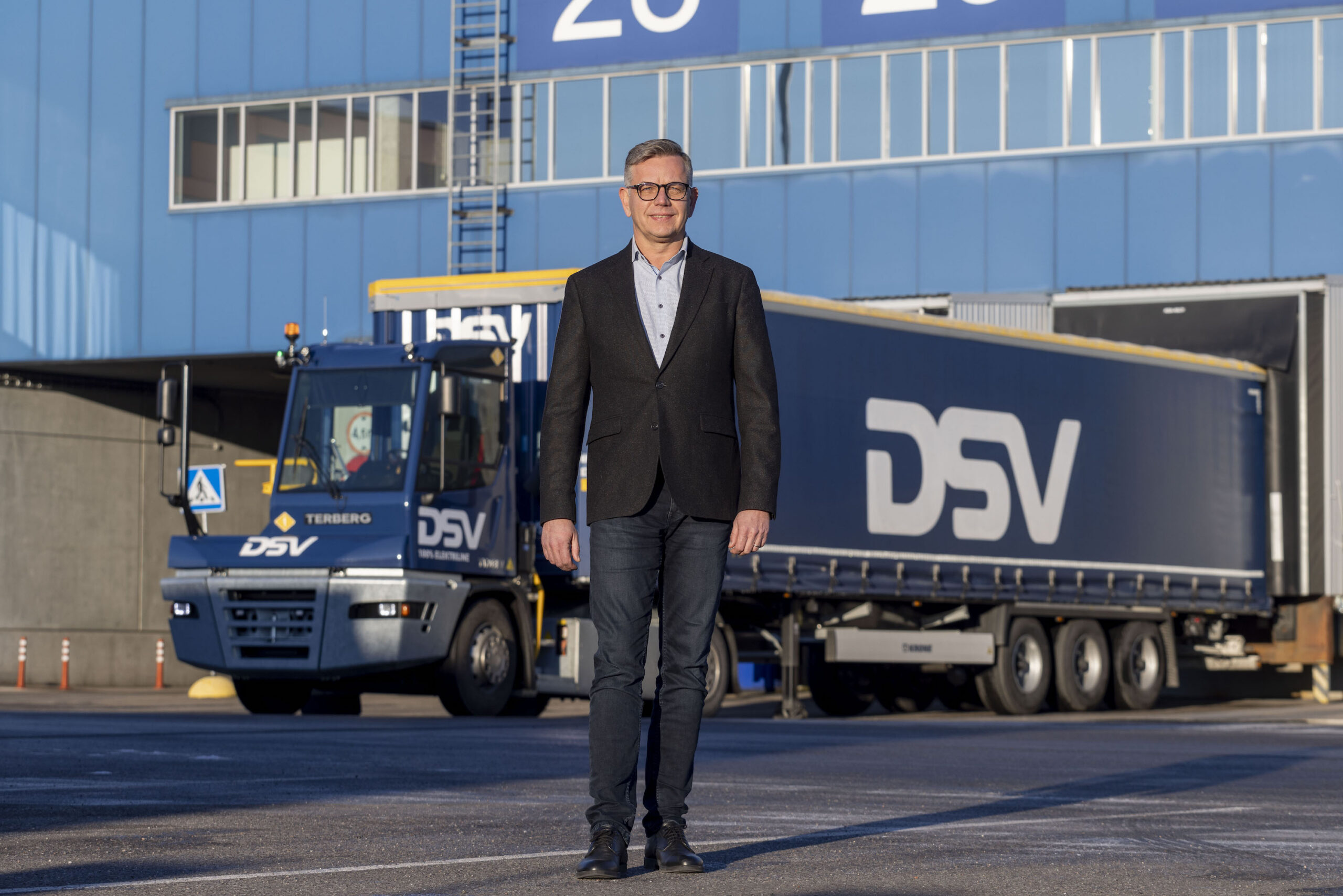
In Nomine informs everyone involved in logistics that the legal merger of DSV and Schenker in Estonia has been completed, resulting in the creation of the largest logistics company in the country.

The legal merger of DSV and Schenker has been finalized, and DSV Road AS and DSV Estonia AS will continue operating under the DSV brand. DSV Road provides road transport, warehousing, and customs services, while DSV Estonia AS offers air and sea freight, project cargo, and courier services (DSV XPress).

The global acquisition agreement between DSV and Schenker, signed on 30 April 2025 and valued at EUR 14.3 billion, brings together nearly 160,000 employees in more than 90 countries. In Estonia, the combined revenue of the two companies in 2024 amounted to EUR 124 million.

The impact of the merging companies on the Estonian logistics sector is also confirmed by Alvar Tõruke, CEO of DSV Road AS: “The fact is that the logistics company with the largest network and volumes in Estonia is being created.”

The merger will benefit the company’s Estonian customers. In road transport, two complementary transport networks will be combined: DSV’s strong Scandinavian routes and Schenker’s strong European groupage network.

“Schenker’s groupage model is very well developed and operates under clearly defined rules that ensure precise delivery schedules as well as consistent and measurable quality. Altogether, this results in greater efficiency and better market accessibility for customers in the markets where they wish and are able to operate actively,” Tõruke confirmed.

Following the merger, the implementation of digital solutions will continue. A unified booking and transport order system will make usage easier, clearer, and faster for customers. Although the integration of technical systems will take a few more months, the goal is to provide a single order window across the entire service portfolio.

The merger process in the Baltics is progressing on different timelines: in Estonia, the structure is already in place, while in Latvia and Lithuania the legal merger will be completed in the first quarter of 2026. On a regional level, DSV will offer more integrated service coverage than before, particularly in transit transport moving through the Baltics.

Alvar Tõruke emphasizes that there is still a lot to be done: “Two companies, both with long histories and their own cultures, need to be brought together. Numbers can be combined in Excel, but the real work is done by people.” He also confirms that the merger will not affect carriers— all partners will continue their work, and the DSV logistics network requires the resources of every carrier.

DSV – Global transport and logistics

DSV’s purpose is to ensure the smooth functioning of customers’ supply chains. Each year, we transport millions of shipments for our customers, delivering reliable and efficient transport and logistics services by air, sea, road, and rail in a constantly changing world. Our vision is to create long-term, sustainable growth and value for our customers, employees, shareholders, and society. Nearly 160,000 employees in more than 90 countries work diligently to deliver excellent customer experiences and high-quality services. Commitment to sustainable business practices is a central element of our overall business strategy.

Photos by Erik Riikoja.

Viking Line Served Nearly 1.8 Million Passengers During the Summer and Achieved its Highest-Ever Customer Satisfaction 

The summer holiday season brought a large number of passengers to Viking Line’s ships, and this year the peak season lasted longer than usual – until the end of August. The summer was of landmark significance – for the first time, passengers were able to choose a completely fossil-free travel option.

From June to August, Viking Line served a total of 1,780,000 passengers, slightly more than last year. The company’s freight volume across its five ships grew by 3.6 percent. At the same time, Viking Line continued to reduce its greenhouse gas emissions: the purchase of biofuels was significantly increased, and passengers were given the option to choose a completely fossil-free trip when booking their tickets.

On the Tallinn–Helsinki route, Viking Line carried nearly 740,000 passengers during the summer months, as Viking Cinderella and Gabriella joined Viking XPRS on the route. On the Turku–Stockholm route, there were nearly 740,000 passengers, and on the Helsinki–Stockholm route 305,000 passengers.

“Summer passed as expected, and we are satisfied with passenger numbers on all routes. The cool early summer somewhat reduced passenger numbers, but the heatwave in July once again attracted more people to sea travel. We are especially pleased that the Estonian route has continued its growth for several years now, despite intensified competition. We firmly believe in this route and, earlier this summer, presented the concept of a fully electric ferry planned for the Tallinn–Helsinki connection,” said Viking Line Vice President Peter Hellgren.

Viking Line’s NPS score, which measures customer satisfaction, reached its highest level of all time during the summer peak season.

“Summer is a busy time on the ships. The clear increase in customer satisfaction compared to last year shows that our teams onboard and onshore have done an excellent job and taken great care of our customers.”

The largest increase, 3.1 percent, in Viking Line’s passenger numbers was recorded on the Turku–Mariehamn route.

“The boom in short-distance travel has lasted for nearly five years and shows no signs of slowing. The popularity of Åland is also reflected in the fact that its tourist season now extends well into autumn,” said Viking Line Communications Director Johanna Boijer-Svahnström.

In August, the Baltic Sea summer season continued thanks to international travelers. Among Viking Line’s customers there is a growing number of tourists from Germany and other Central European countries, while the fastest growth is seen among passengers from China.

Viking Line passenger numbers, June–August 2025:

  • Helsinki–Tallinn: 737,848 passengers
  • Turku–Stockholm: 738,684 passengers
  • Helsinki–Stockholm: 303,562 passengers
  • Total passengers: 1,780,094

Jõhvi Film Campus Laid its Cornerstone as Mapri Ehitus Looks Forward to Blockbuster Films Being Made in Estonia

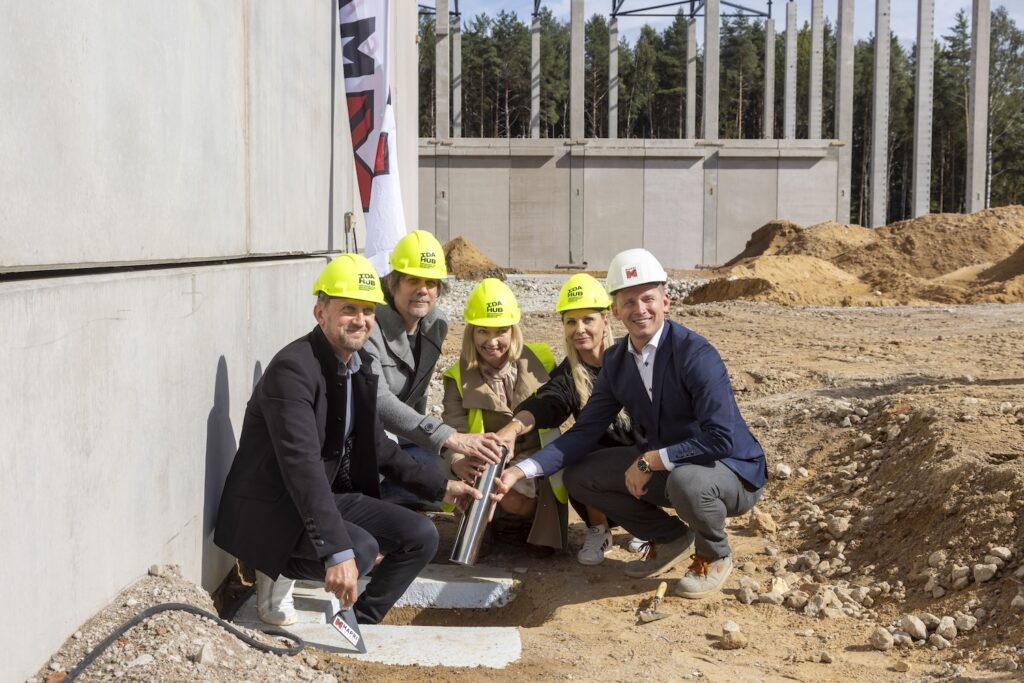
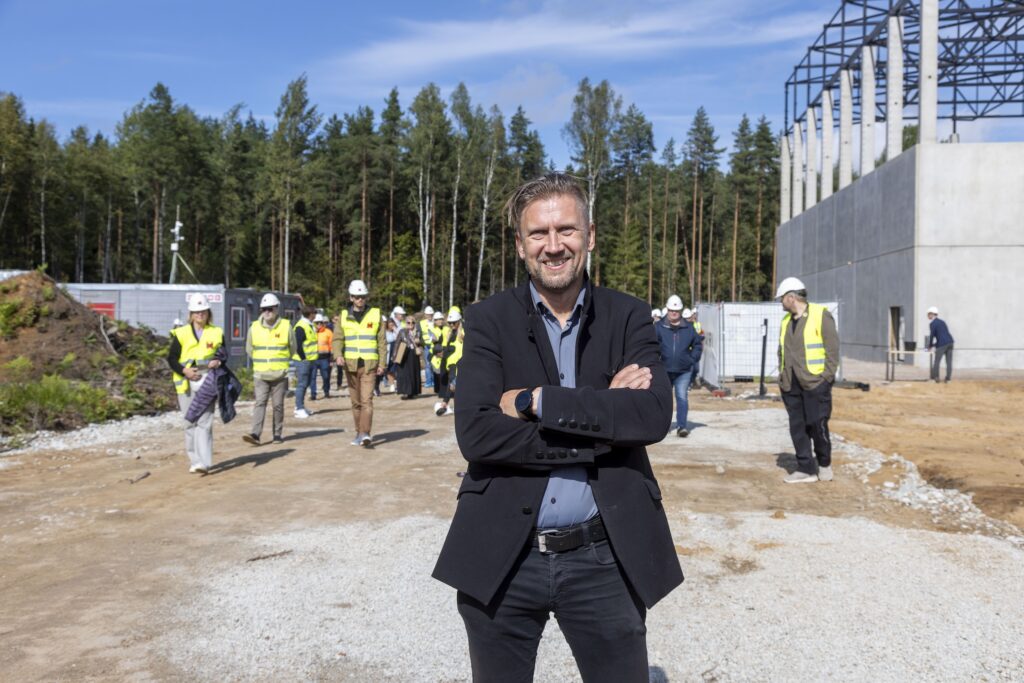
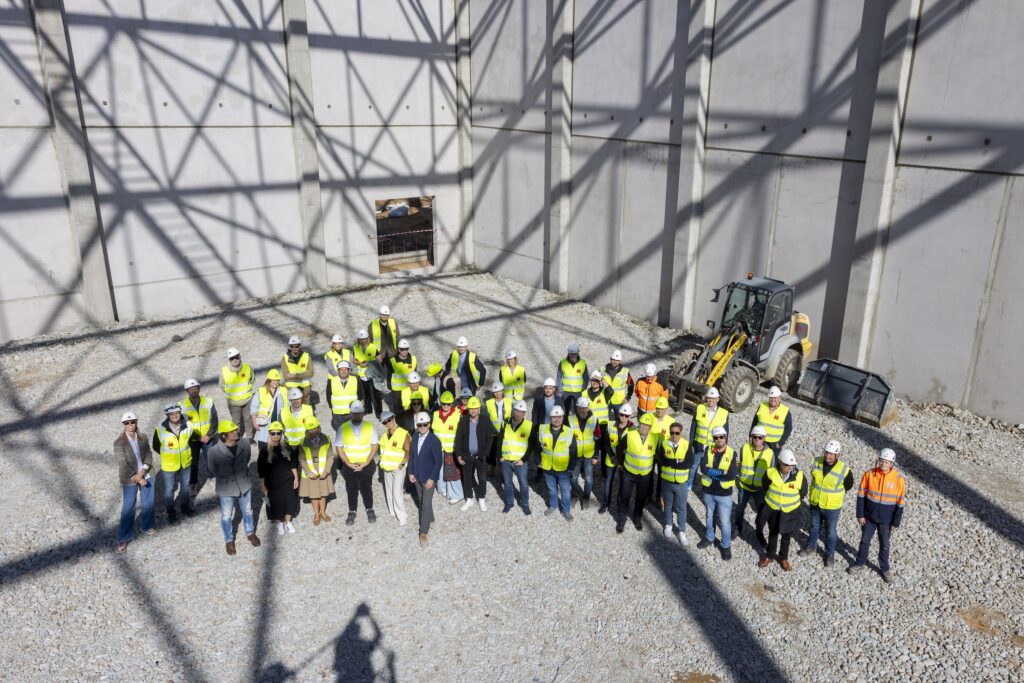
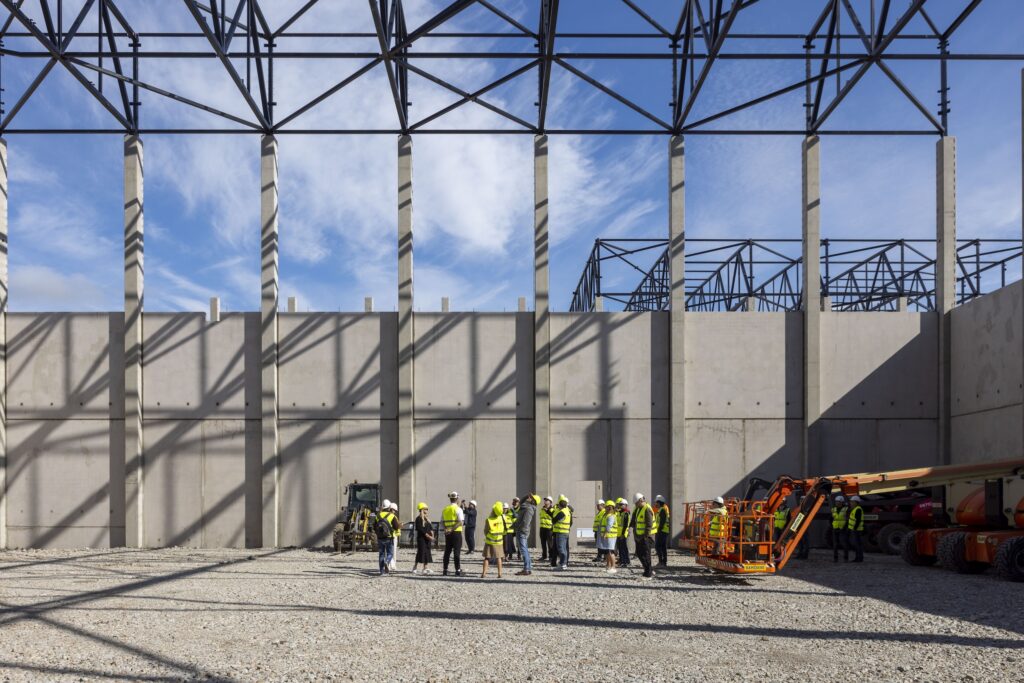
In Nomine was on site with cameras and microphones when the cornerstone was laid for the Jõhvi Film Campus – a multimedia and creative industries incubator due to be completed next year. 

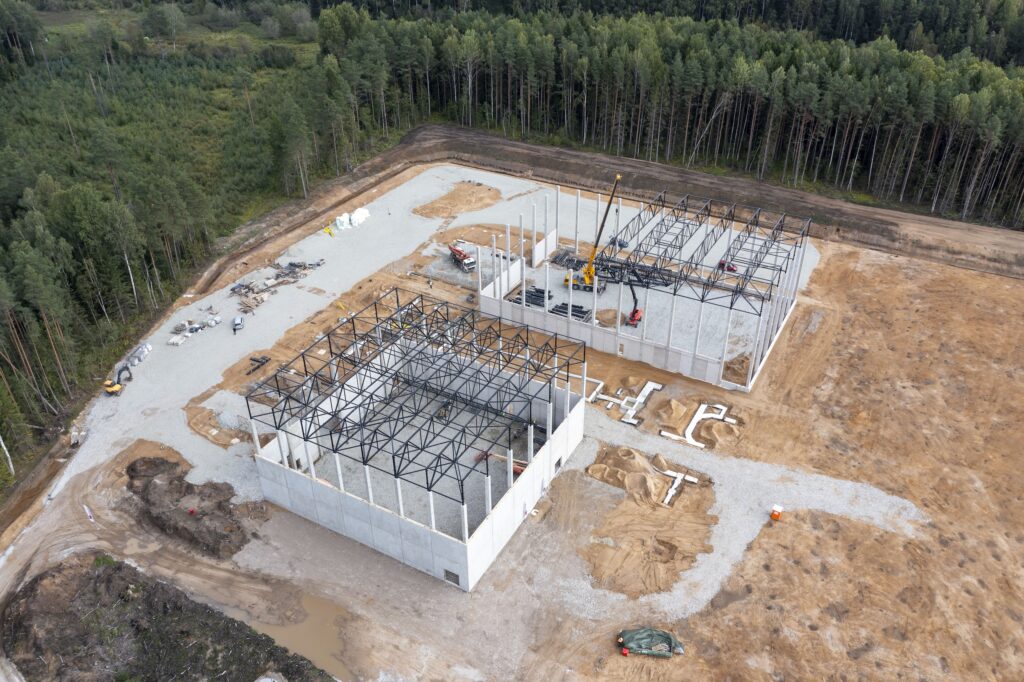
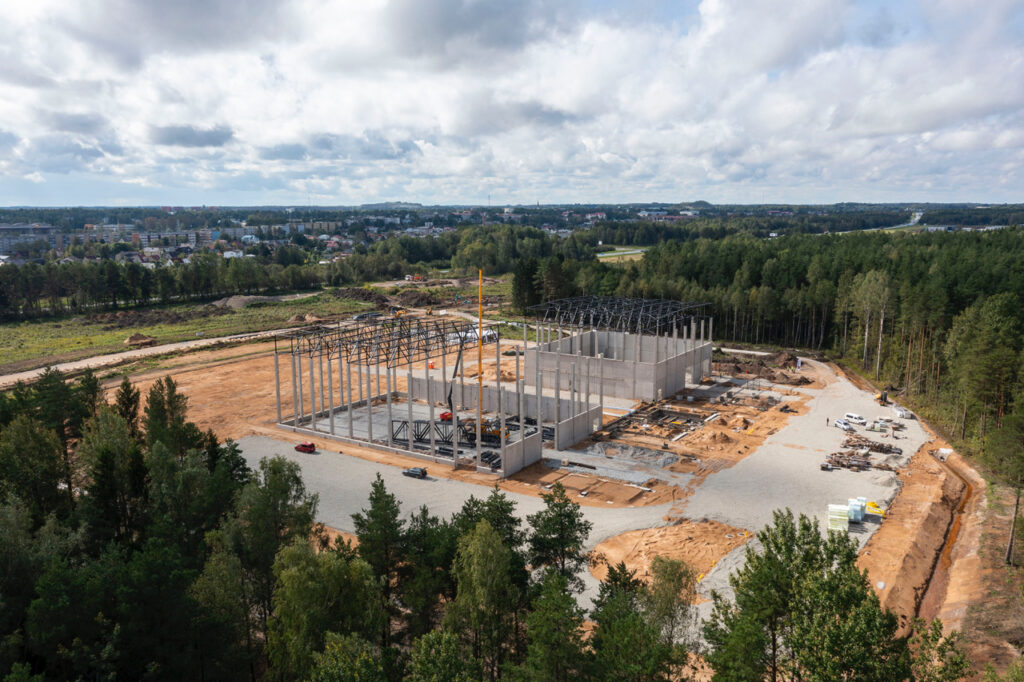
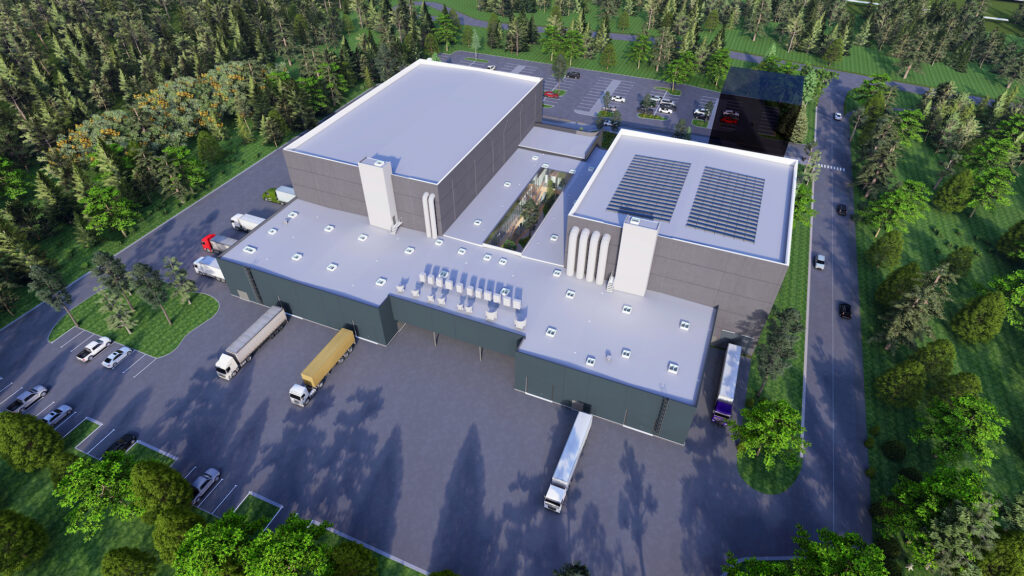
The film campus consists of three components: a creative industries incubator with film studios, a digital and multimedia incubator, and related infrastructure. The campus, funded by the Just Transition Fund, will cost €16 million to build. It is being constructed by Mapri Ehitus, with Novarc Group as the designer.

Teet Kuusmik, head of the Ida-Viru Investment Agency, is pleased with the construction pace: the foundation work is complete, trusses have been installed on the smaller studio, concrete elements are being placed, and truss installation on the larger studio has just begun. “We have been very fortunate with our builder, as they have proposed innovative solutions already during the design process that have helped us save on the budget compared to the initial tender. The solutions chosen meet our core needs – most importantly, ensuring that sound does not penetrate the buildings and that the rooms have good sound insulation,” Kuusmik said in an interview with ERR.

Urmas Adson, project manager at Mapri Ehitus, notes that construction is progressing at a good pace: “Concrete is arriving, steel is arriving. The construction market is picking up, and producers of reinforced concrete and steel seem to have a lot of work, as delivery queues have formed.” According to the project manager, a film studio of this size has never been built in Estonia before.

Tarmo Roos, CEO of Mapri Ehitus, is an avid film enthusiast and looks forward to other blockbuster productions in Estonia alongside Tenet: “I often think Estonia has many ideal locations for apocalyptic stories – abandoned buildings, wild landscapes and forests straight out of a horror film,” he says. “The magic of movies is that sometimes they even foreshadow real-life events – I recently saw Brad Pitt’s new F1 film, and at Silverstone, Hülkenberg replayed a similar scenario.” Life, however, is like a film in which we ourselves are the main characters. In the dramedy of Estonia’s economy, we see strong resilience from entrepreneurs who continue to invest and look forward to a better future. At the same time, they are constantly monitoring their core costs and quickly adapting to find new ways to save time and resources.

Photos by Erik Riikoja

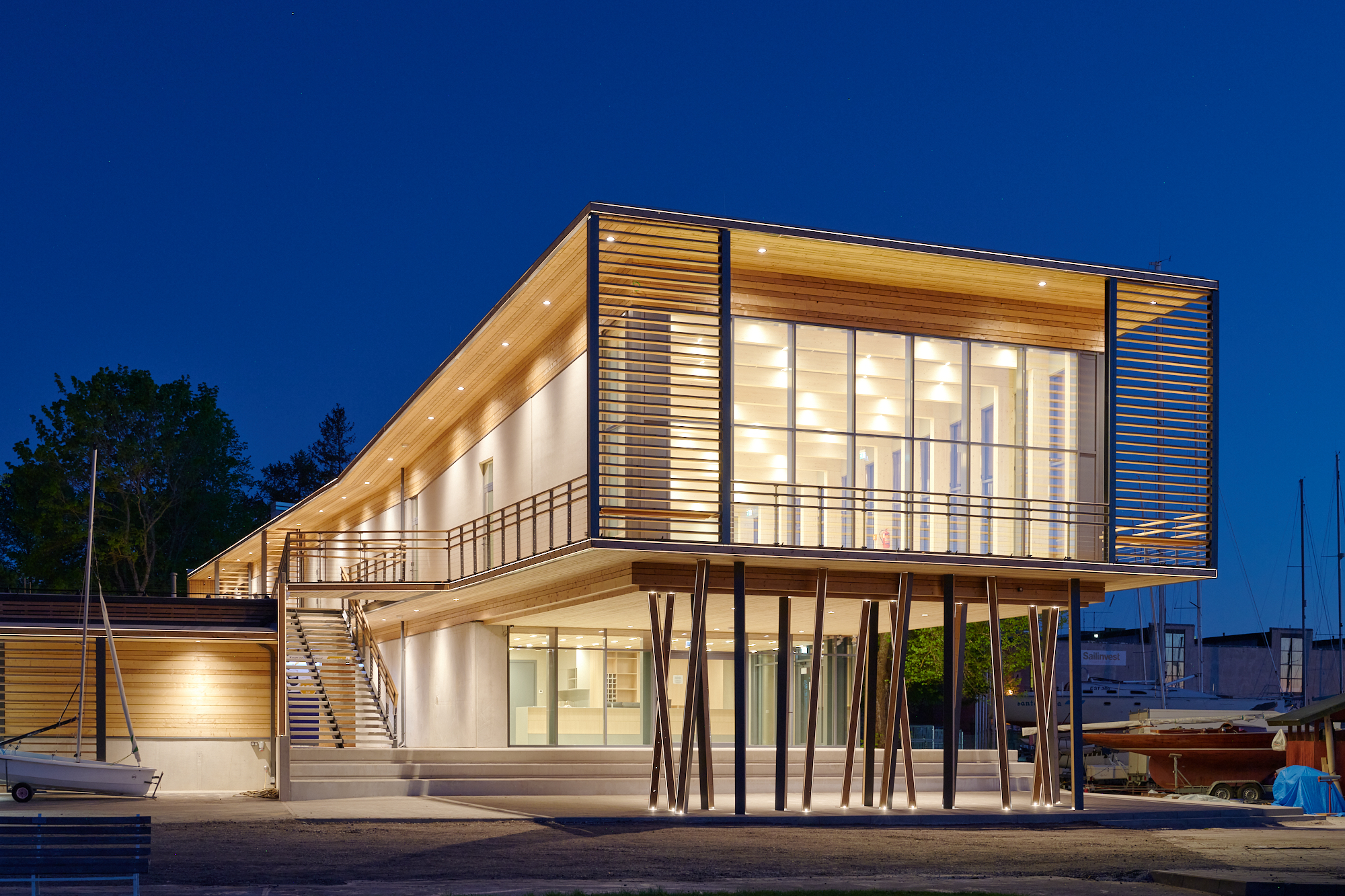
The Estonian Concrete Building of the Year 2024 is Kalev Yacht Club Marina Building

The Grand Prize of the oldest construction competition in Estonia, “Concrete Building of the Year,” organized by the Estonian Concrete Association and the Estonian Association of Construction Materials Producers, was awarded to architect Ülar Mark for the design of the Tallinn Yacht Club marina building.

In Nomine had the honor of contributing to the successful organization of the competition and Concrete Day.

Author of the film: Erik Riikoja, In Nomine

Communication Intern Liisbeth Pomber: the Need to Invest in Fact-Checking and Verifying Authentic Information

Every year, communication interns assist at the communication agency In Nomine. Last December, we received a wonderful letter from Liisbeth Pomber, a second-year journalism and communication student at the University of Tartu. The first month of the year is usually quieter, but this January has been particularly busy, and Liisbeth has participated in projects related to cosmetics, tourism, construction, and vocational education.

Observing the noise generated by artificial intelligence, she states that since misinformation and manipulation are becoming easier to spread, communication experts must invest more in fact-checking and verifying authentic information.

Why did you choose to study communication when you originally wanted to become a hairdresser?

The short answer is the pressure of societal expectations and the environment… To elaborate, I always knew I wanted to go to university at some point. Studying to be a hairdresser would have been an intermediate step—learning a trade, getting a job, and studying at university while working.

For a long time, I wasn’t sure what exactly I wanted to study at university, which led me to explore different options. I felt a strong societal pressure that I had to go to university, which caused me a lot of stress and anxiety.

I even applied for food and biotechnology at TalTech, but it wasn’t the right path for me. I was certain I would study in Tallinn, but then life took a different turn. When I opened the list of programs at the University of Tartu, the first one that caught my eye was journalism and communication.

Has this choice proven to be the right one?

Yes, my choice has been justified, but sometimes I still wonder what if… My journey has developed in a rather logical direction. Since I have a background in economics from high school, I am also studying economics alongside communication. I am most drawn to marketing.

In the future, I could see myself obtaining a master’s degree in marketing and perhaps working full-time in marketing communication. But we’ll see what life brings.

How would you subjectively assess the journalism and communication program at the University of Tartu? Is it sufficient, or is something essential missing?

I am a bit skeptical. In the first year, journalism and communication students study together, but the courses are mostly journalism-focused. This made me question a lot during my first year whether I was in the right place.

However, in the second year, we have more specialized courses, and the communication studies are well-structured. So yes, I think there should be more communication courses in the first year, but otherwise, in the second year, there is enough of everything.

Which media channels are important to you in 2025?

It’s impossible to ignore social media—for me, user-generated content is crucial. I also listen to podcasts, both entertainment-focused and news-oriented.

Regarding traditional media, I mostly trust Estonian National Broadcast ERR, but I occasionally check Estonian largest internet portal Delfi as well. I don’t read print newspapers much anymore because print media has become a luxury—if you want to read multiple publications, it gets quite expensive.

Is your perception of PR different from what you experienced during your internship?

I didn’t expect to have to do so much translation—both from Estonian to English and vice versa. Other than that, since I’ve learned from professionals who practice this field daily, nothing has been a complete surprise. Instead, I have had the chance to apply theoretical knowledge in real-life situations.

Is AI good or bad, and how do you use it today?

I find the rapid development of AI both terrifying and valuable. AI helps save time, organize information, and correct punctuation.

During my internship, I used AI primarily for translation. Since it’s not human, it lacks emotional nuance, but it excels at statistics and data analysis. In the future, those who know how to integrate AI into their daily work will have a significant advantage.

For example, in marketing, there is a huge amount of data to categorize, and AI can do this much faster than a human. While humans perform the analysis, AI can optimize marketing processes based on the analysis results, making company costs lower and target audience segmentation more precise.

What is your vision for the future of communication? How will information be shared and consumed?

As the volume of information and noise increases, AI-driven algorithms will play a growing role in filtering and personalizing content for consumers. This can be useful, but at the same time, it poses a risk—people might get trapped in their own “bubbles”, only encountering information that aligns with their worldview.

Instead of one-way information flow, communication is becoming more interactive. People are not just consumers but also co-creators—they don’t just share content but actively shape it.

Since misinformation and manipulation are becoming easier to spread, communication experts must invest more in fact-checking and verifying authentic information.

Where do you see yourself working in ten years?

I think that in ten years, I will fulfill my dream and train as a hairdresser. But most likely, I’ll still be working in a communication agency, enjoying the variety of topics and fast-paced work environment.

Interview by Heikki Sal-Saller
Photo by Erik Riikoja

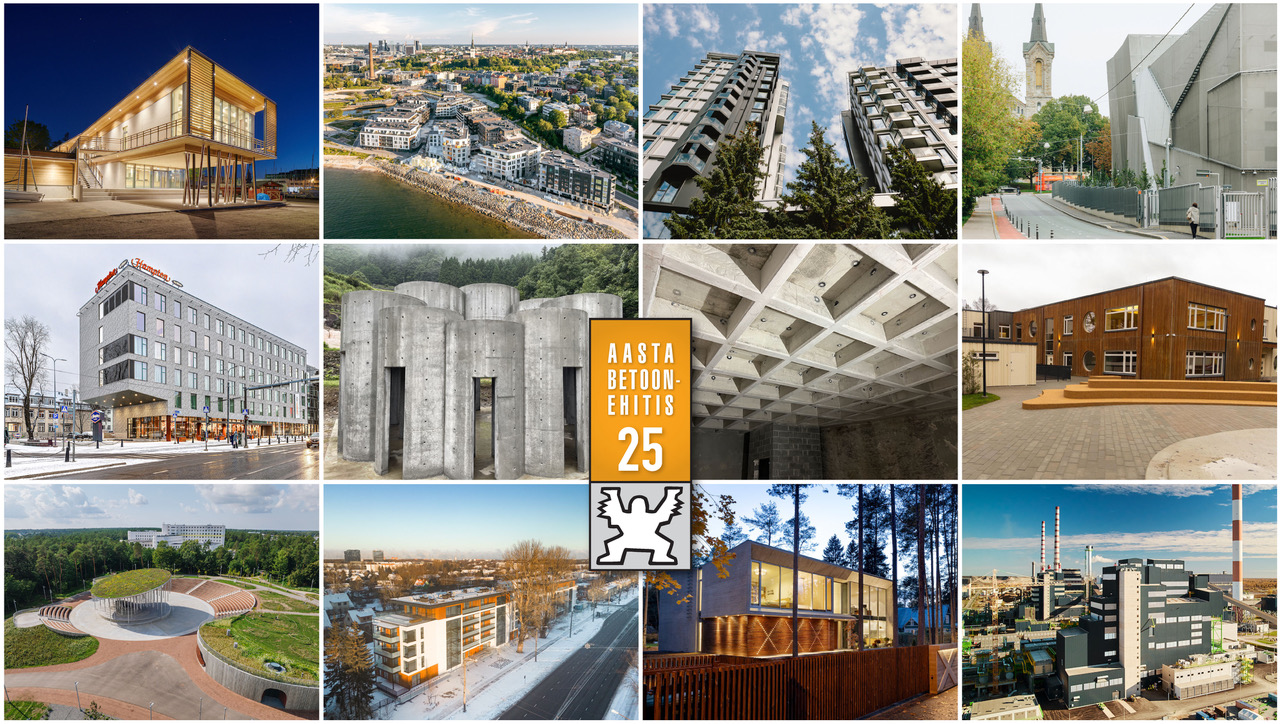
Twelve Buildings Are Competing for the “Concrete Building of the Year 2024” Award

The “Concrete Building of the Year” competition, organized for the 25th time by the Estonian Concrete Association and the Estonian Building Materials Manufacturers Union, has received 12 nominations this year.

The jury has started its work. The winners of the “Concrete Building of the Year 2024” award will be revealed on Concrete Day, March 20.

In Nomine is assisting with the event organization.

Mapri Ehitus Completes Tänavapuhastuse AS’s New Building in Just Five Months

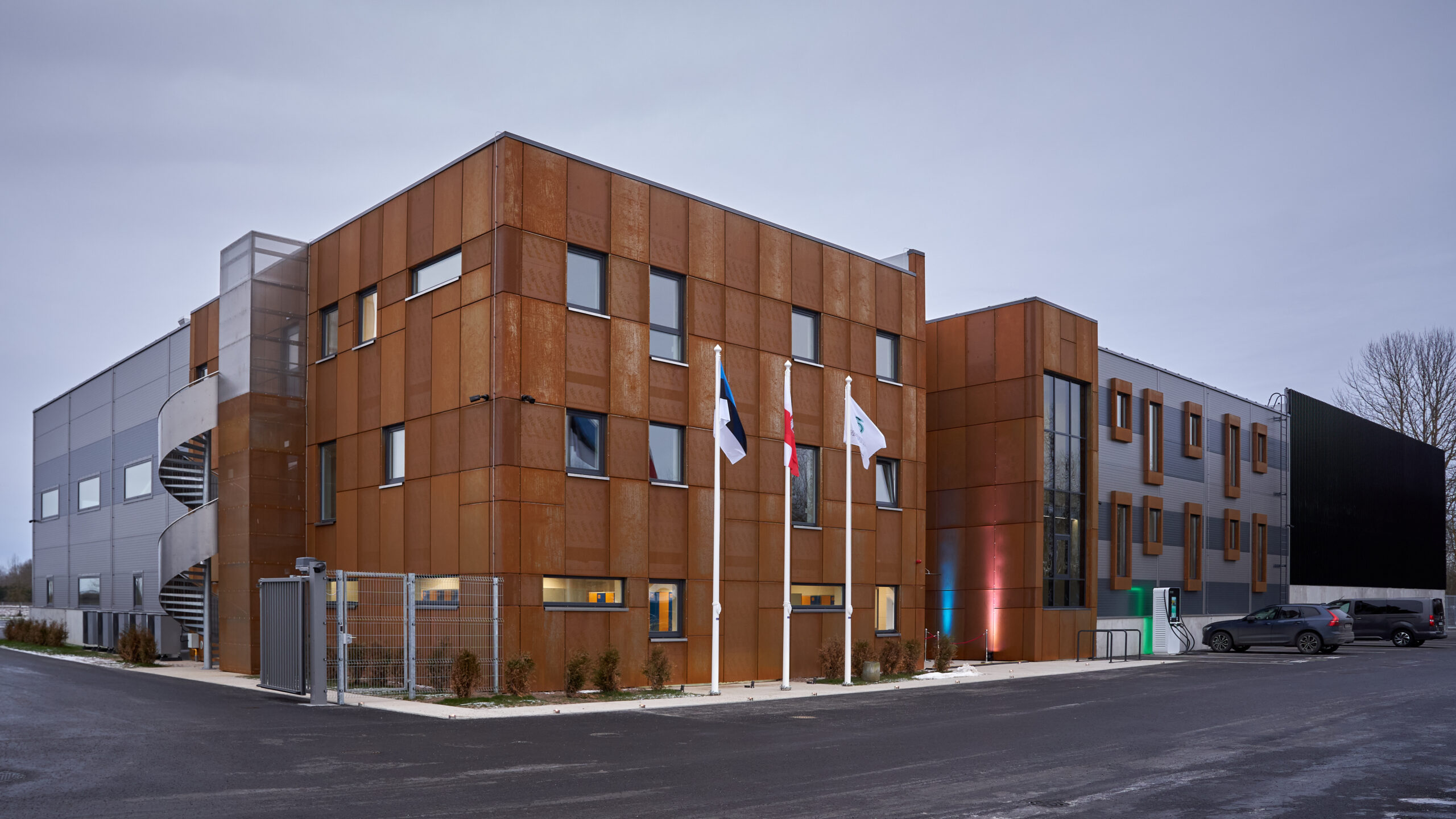
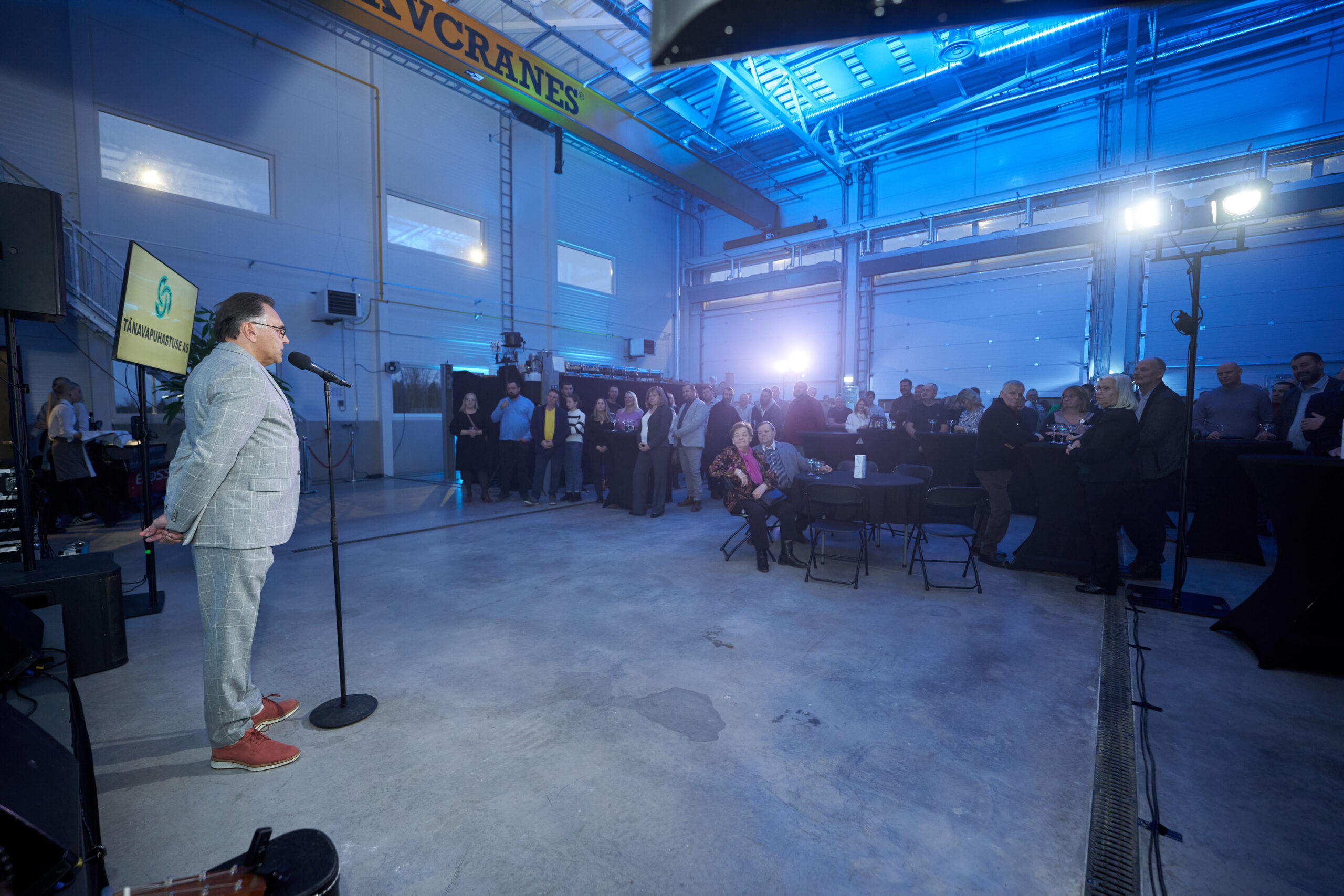
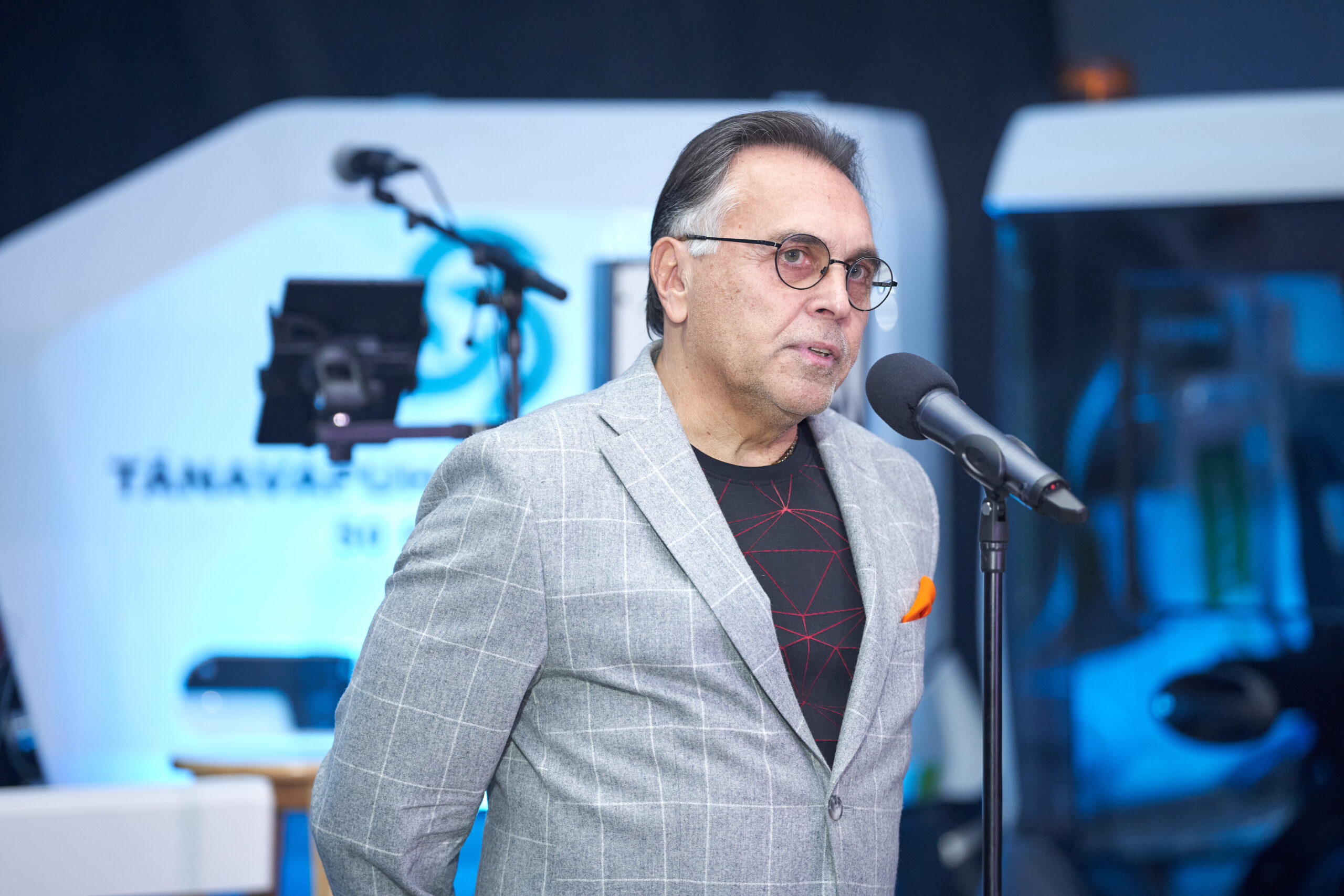
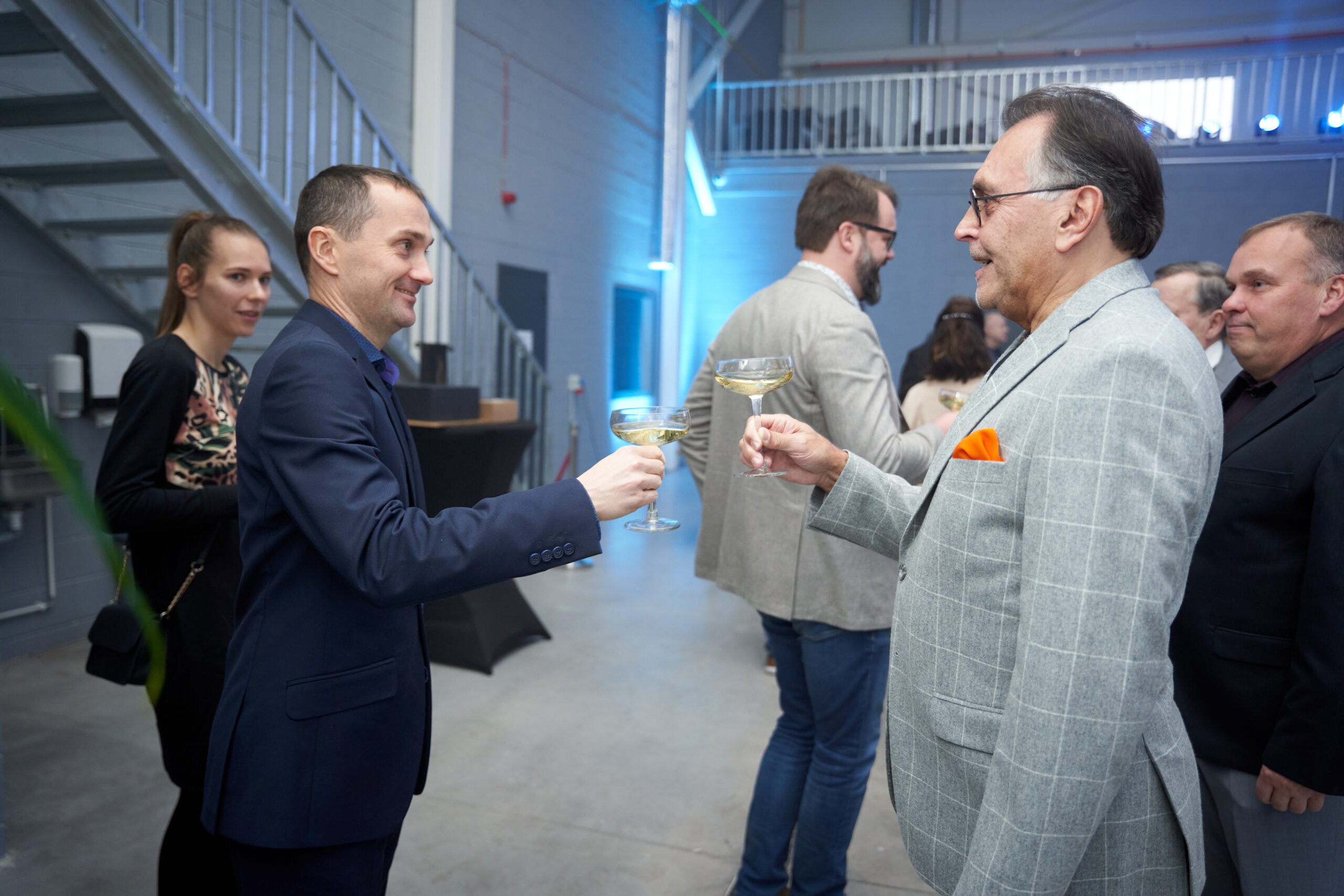
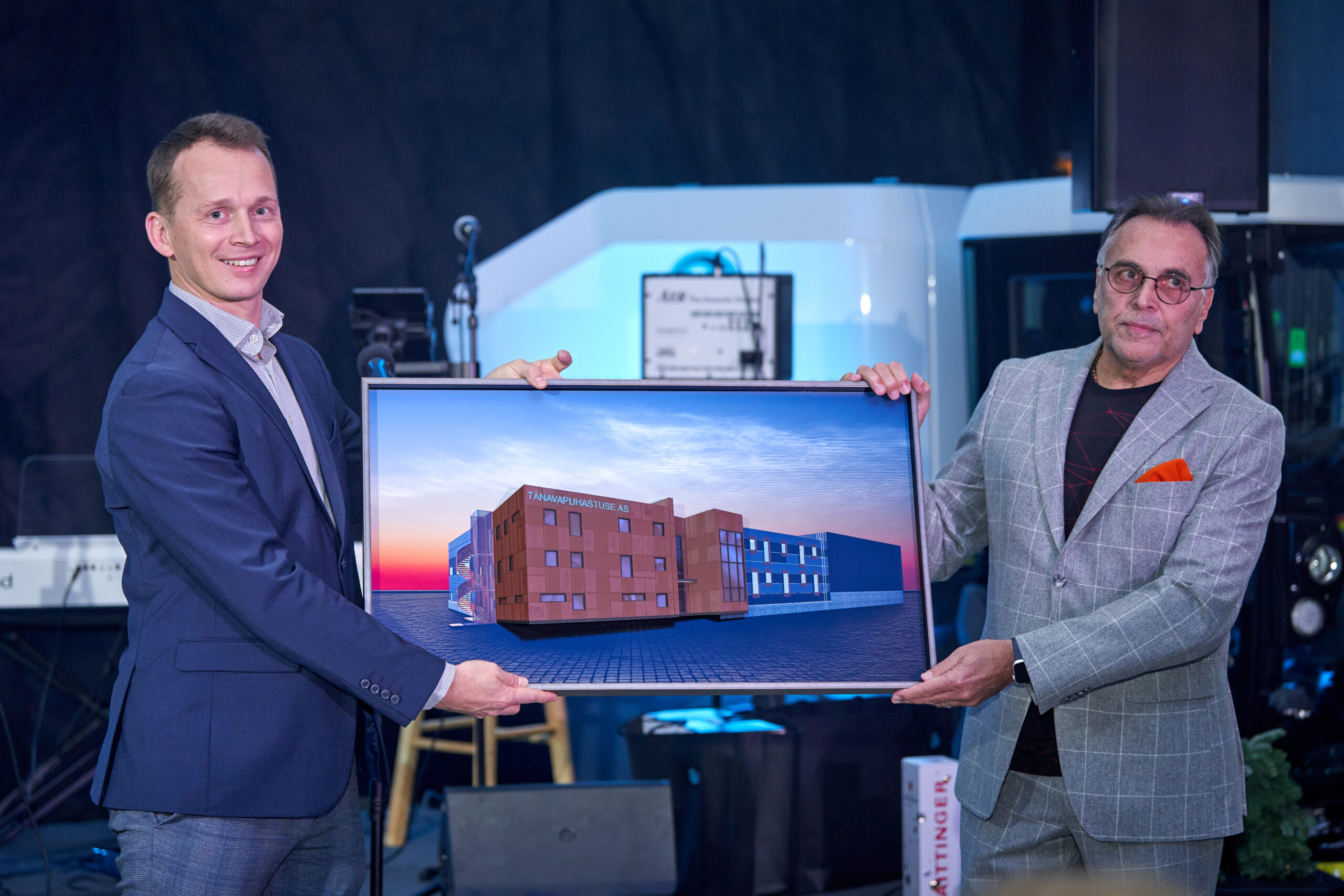
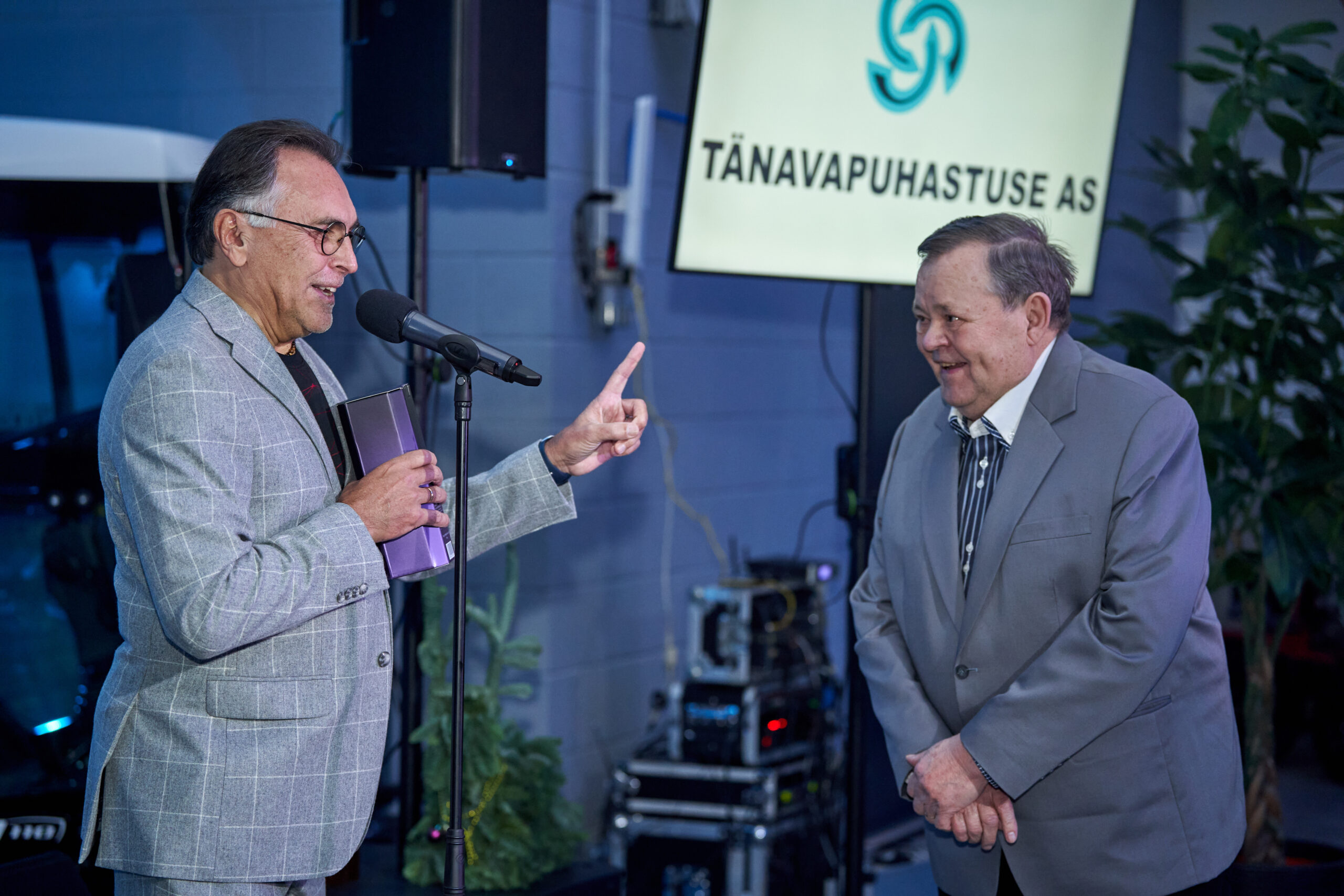
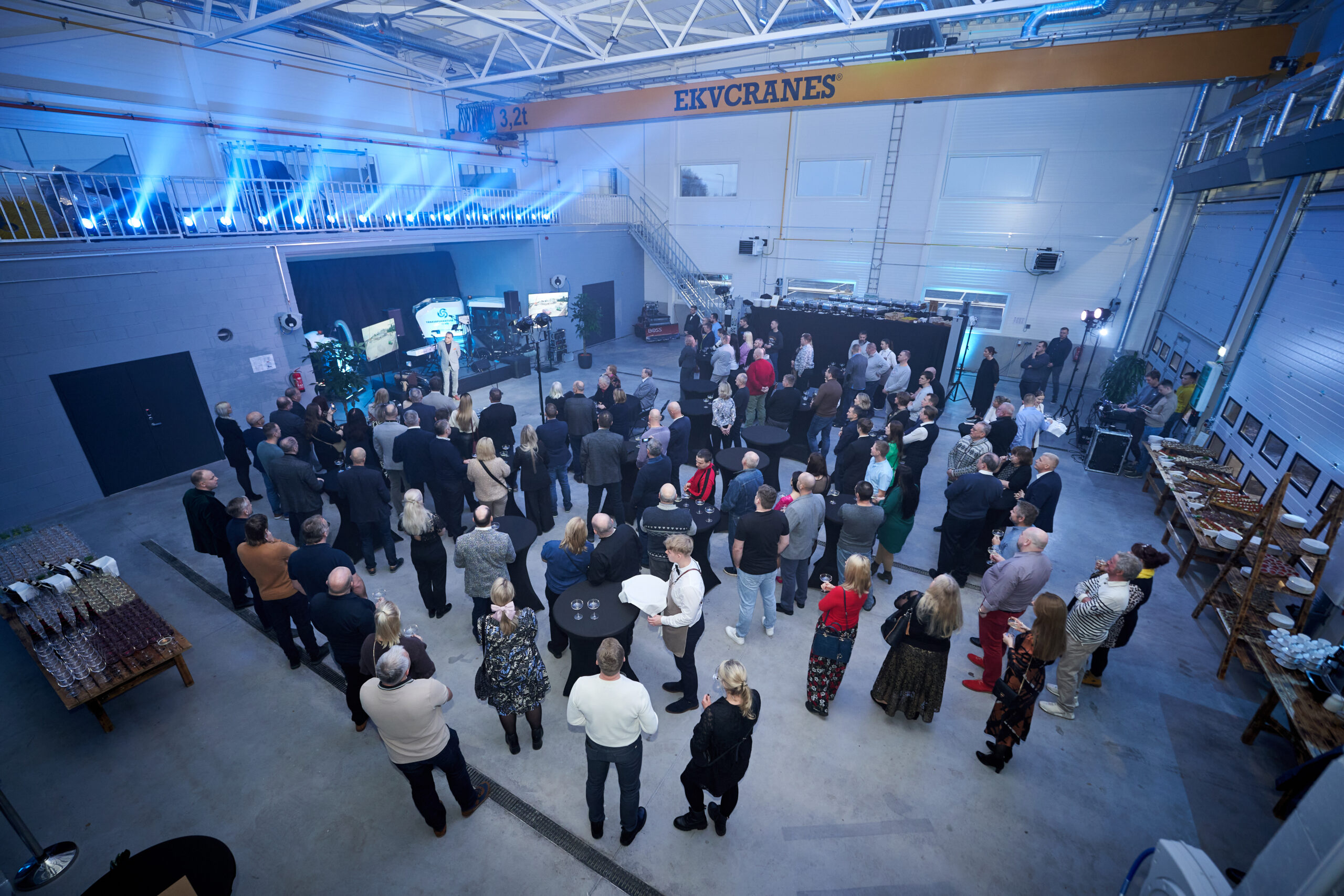
In Nomine announces that the new building for Tänavapuhastuse AS, a Tartu-based road maintenance company, was officially opened last week. The building spans over 2,000 square meters of net area and includes staff facilities, relaxation areas, repair and maintenance bays for road maintenance vehicles, a car wash, a sorting room for street sweepings, and storage areas for bulk materials. The construction cost was approximately €3 million, designed by architect Anders Jaano from Atect Projekt and built by Mapri Ehitus. The project manager was Olari Orm, and the site manager was Rasmus Jaagant.

The new building was completed at an impressive pace, precisely meeting the expectations of the Tartu road maintenance team. “The builder did an excellent job—the project was finished on time, and completing such a structure in 140 working days is almost miraculous. The team led by project manager Olari Orm and site manager Rasmus Jaagant was very professional! There’s also nothing negative to say about the quality of construction,” said Kink. He emphasized that the new facilities provide a significant morale boost for the street maintenance staff, making them happier and more motivated.

Tarmo Roos, CEO of Mapri Ehitus, noted that delivering the building within such a short timeframe was a significant challenge, but the experienced construction team handled it well. “We know that working in a new building is always much better than in an old one. We wish Tartu residents an even cleaner and greener city. Of course, the City of Good Thoughts is already tidy and lush during summer. This year, we are working on several projects in South Estonia, including residential developments near Raadi in the city’s outskirts, a cheese warehouse for Valio Eesti in Võru, and earlier this spring, we handed over an office building to Eesti Energia.”

The building features an innovative solution: a Cor-Ten facade. This material is a type of weathering steel slightly alloyed to form a patina layer that protects the surface from weather conditions. Initially reddish-brown and resembling rust, the patina darkens over time, creating a durable and unique appearance.

Catrice Cosmetics Presented the New Autumn/Winter 2024 Collection

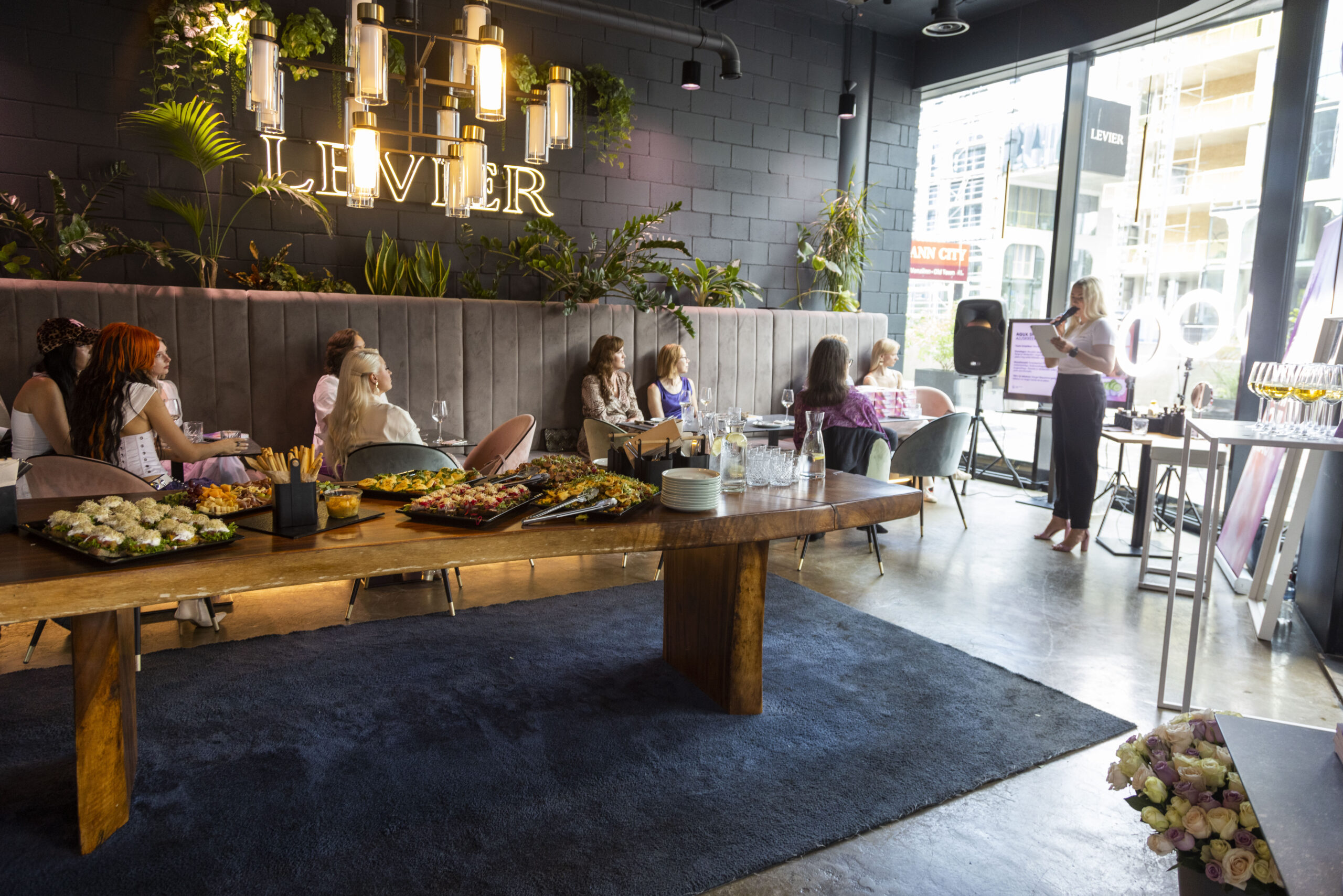
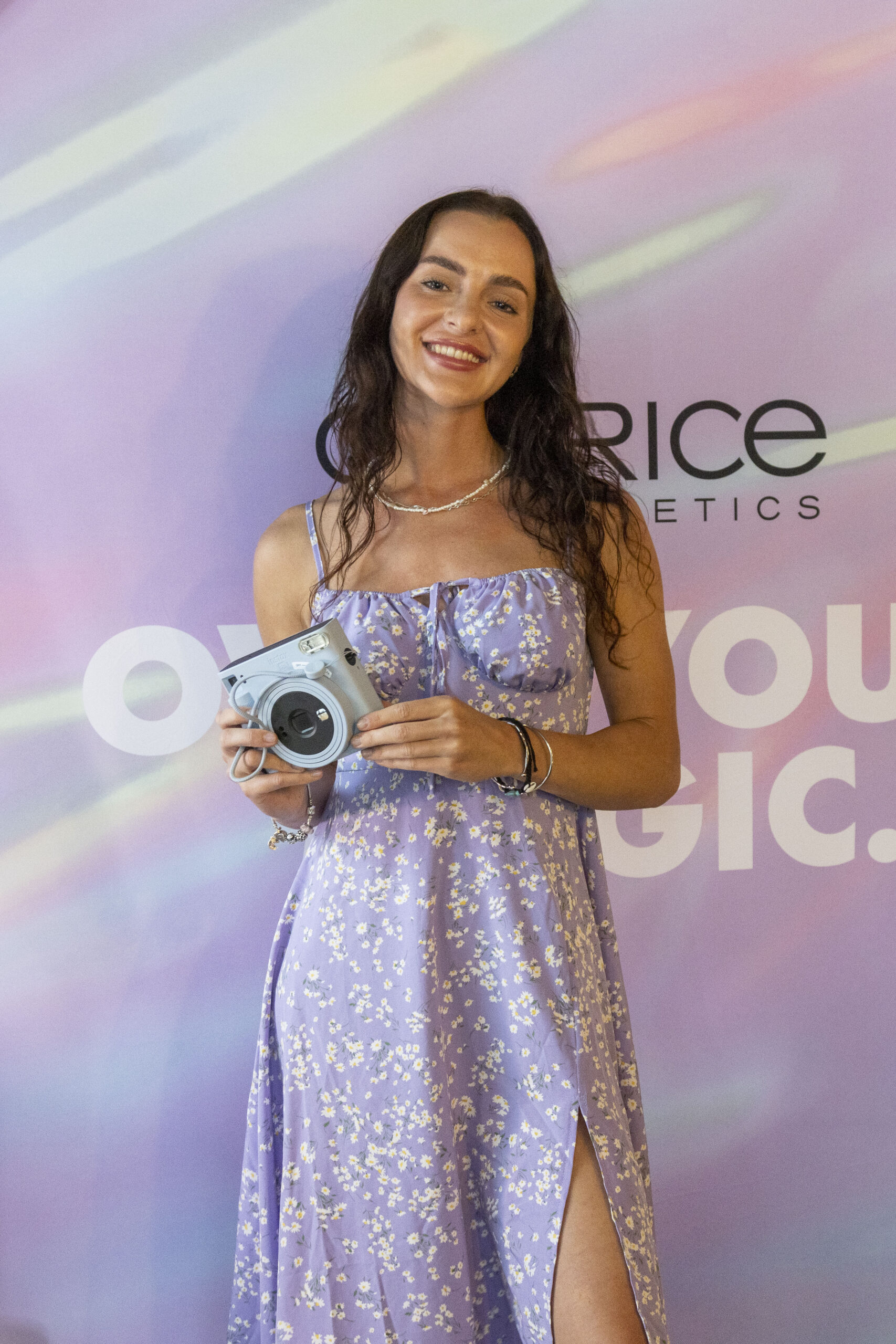
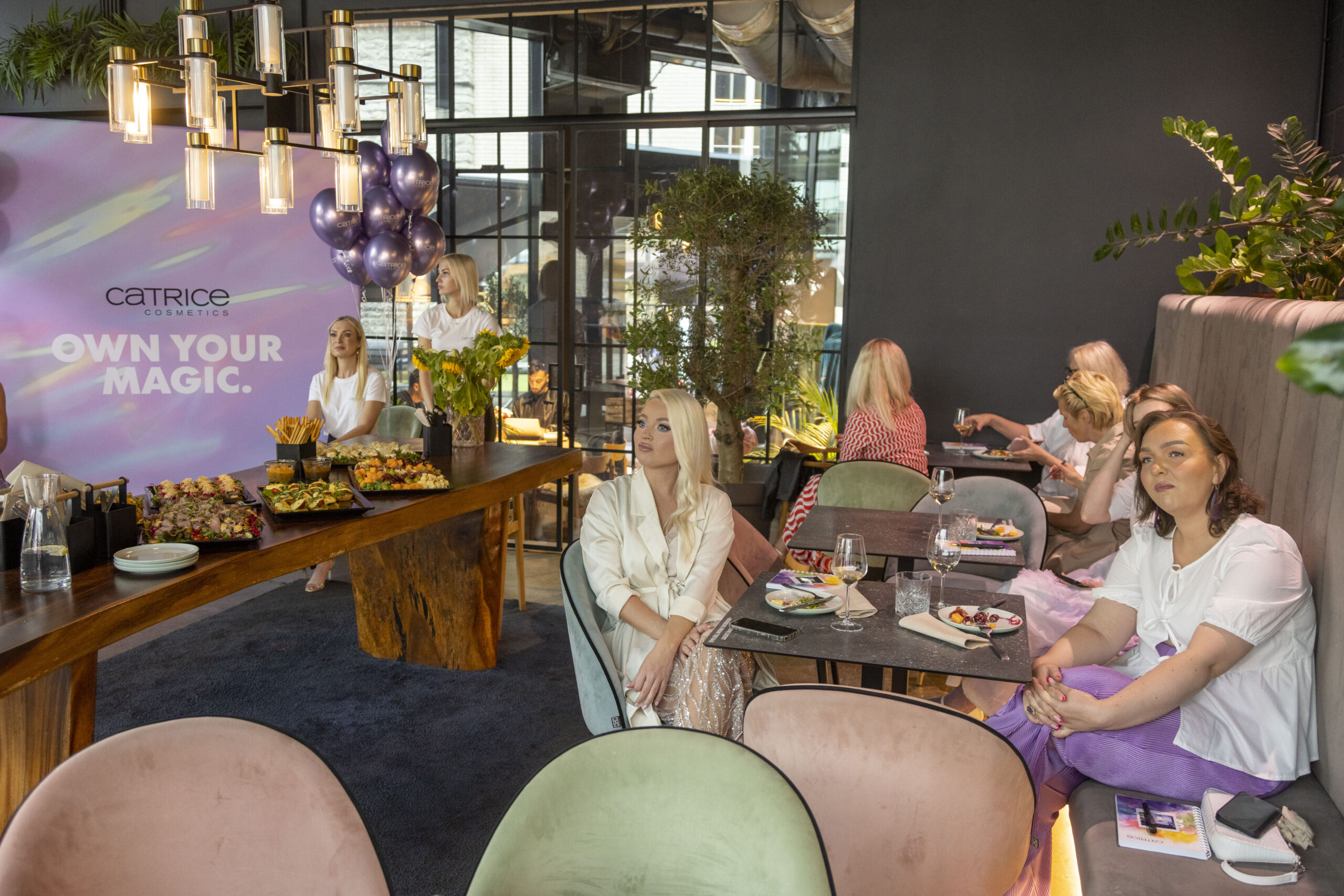
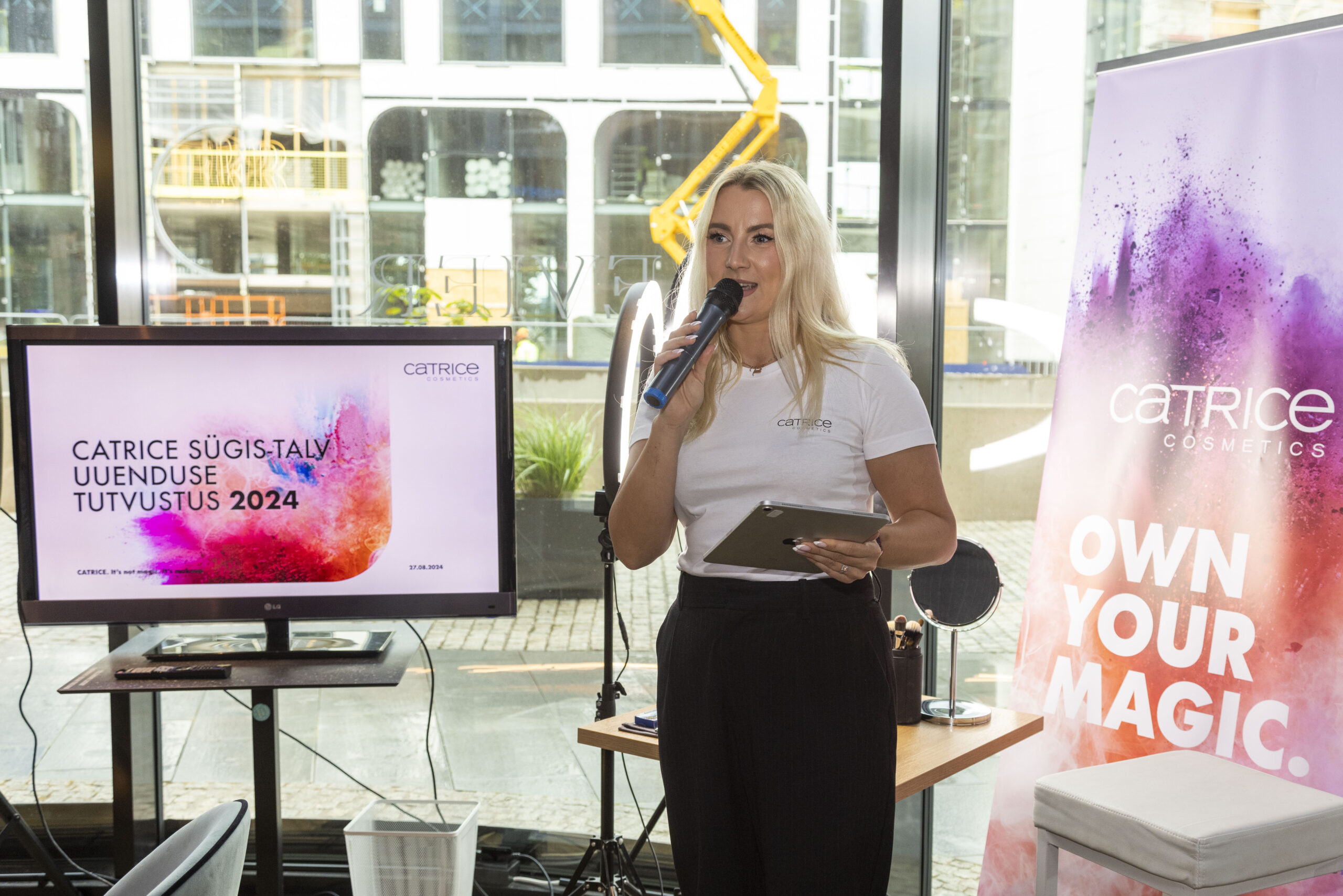
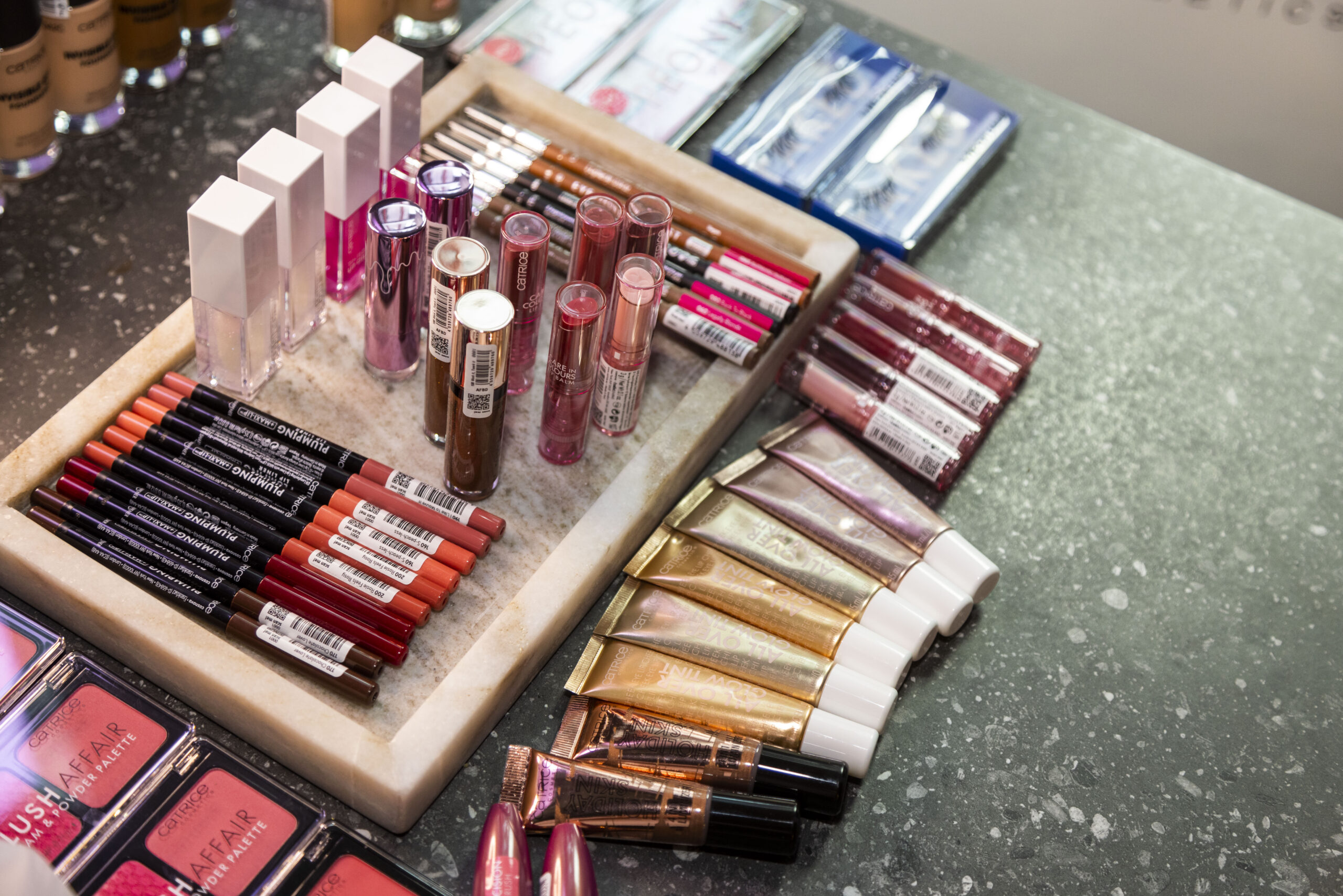
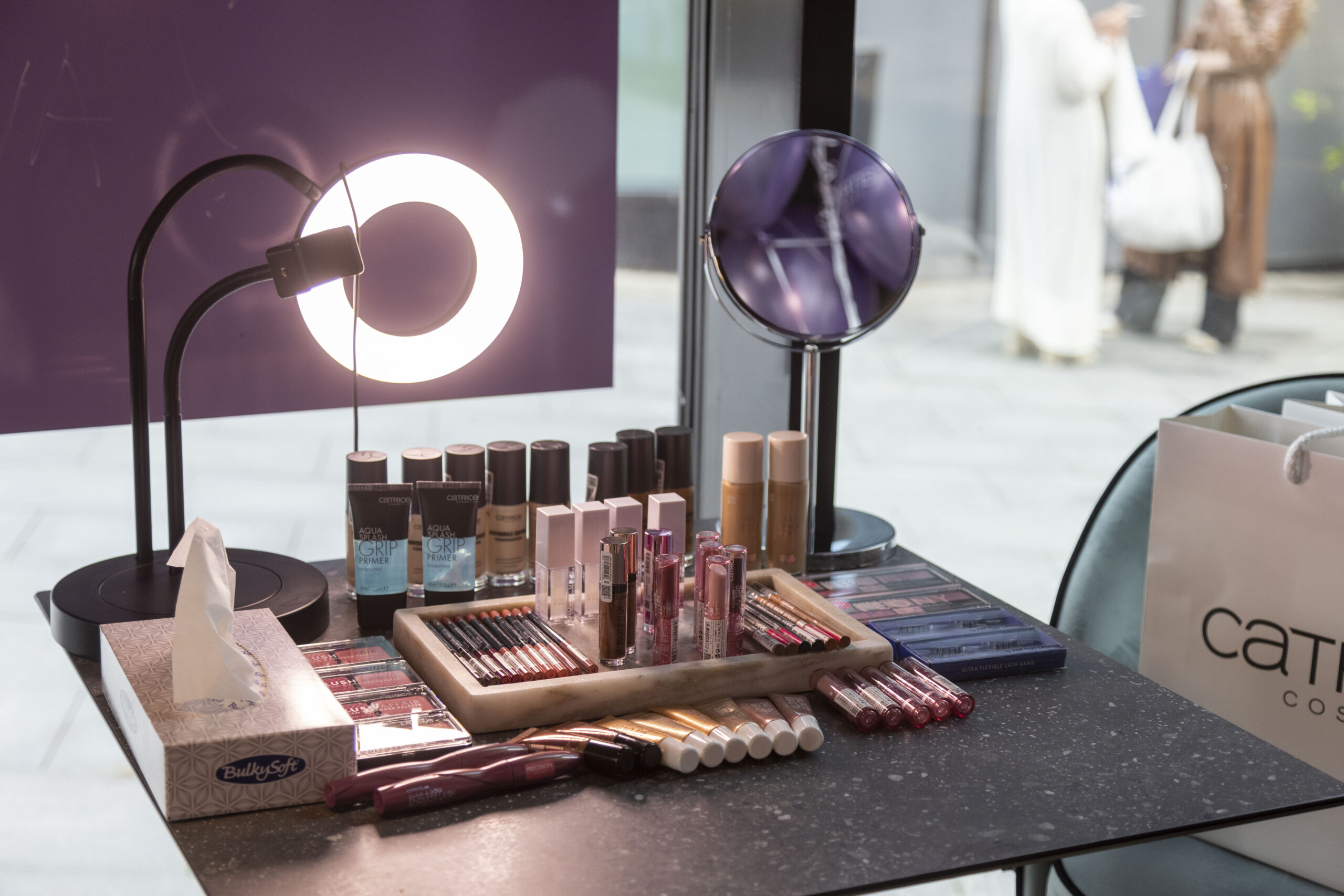
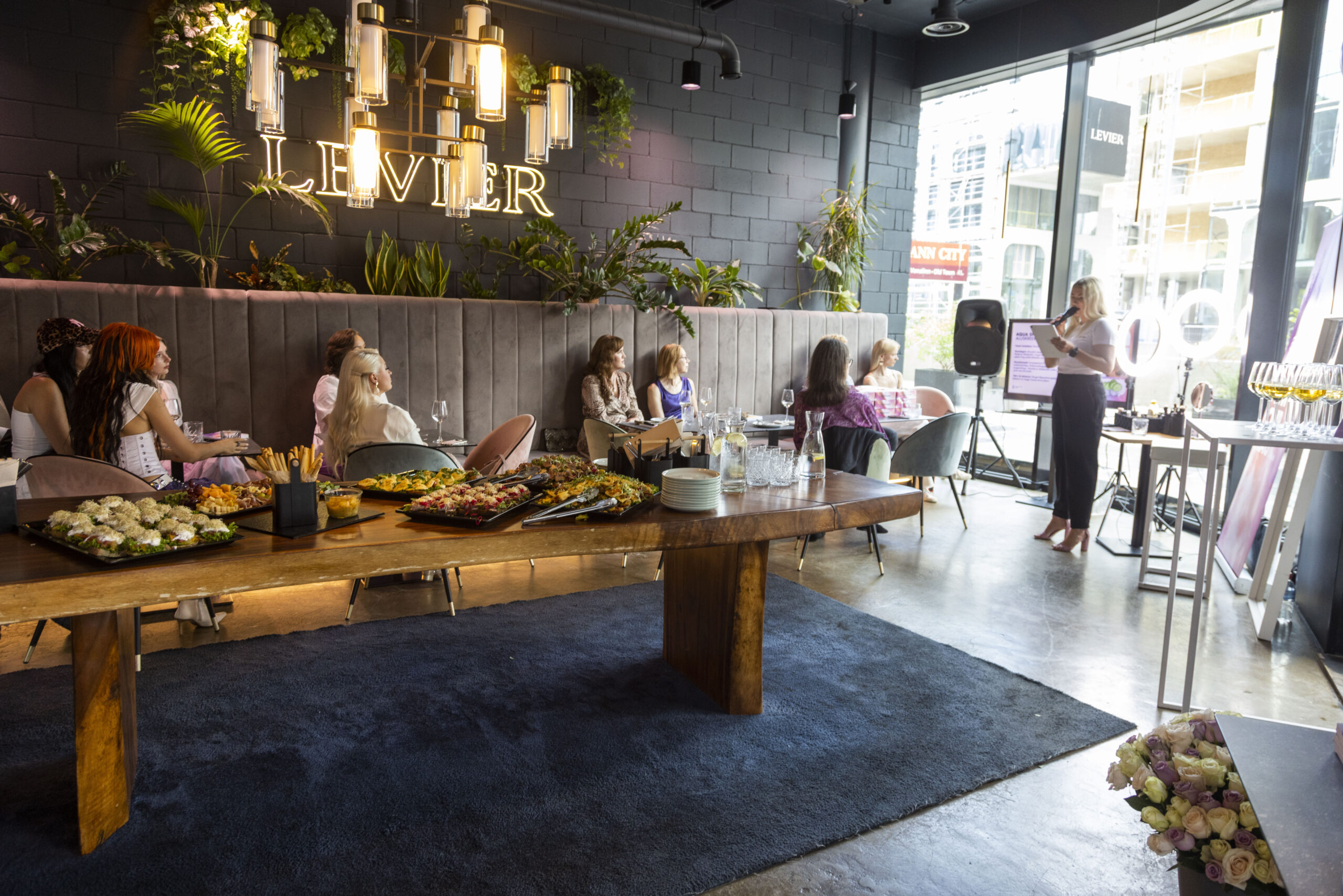
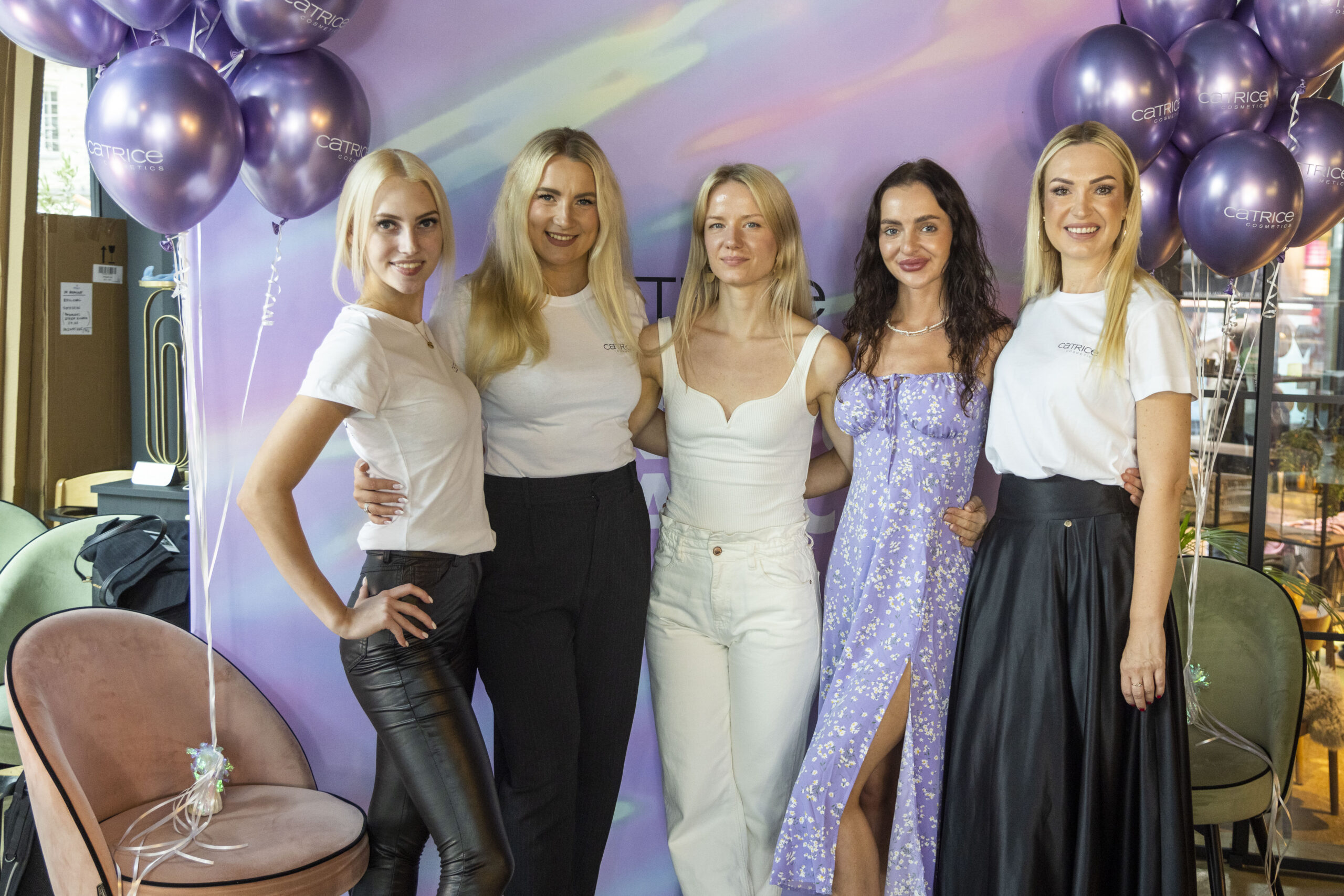
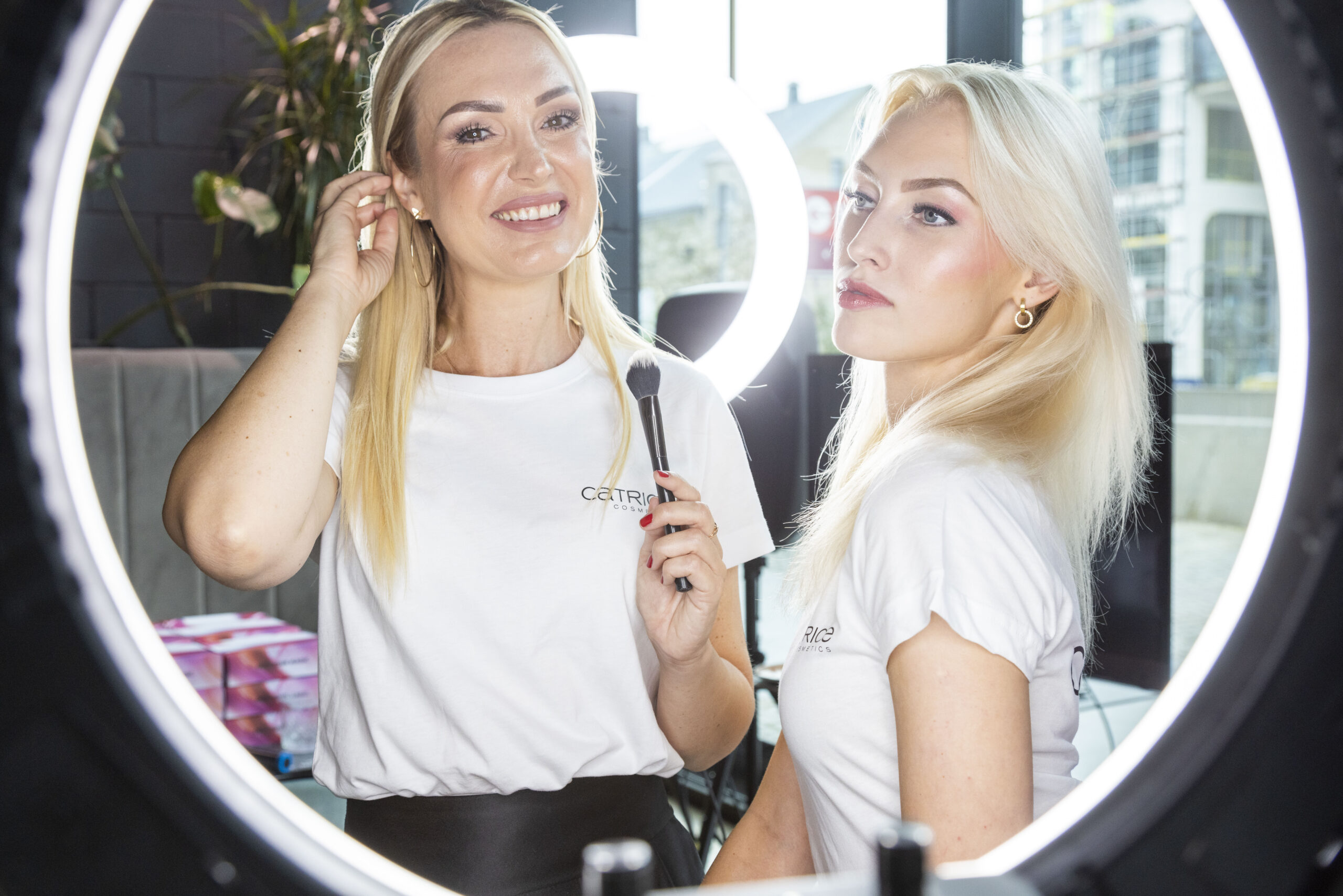
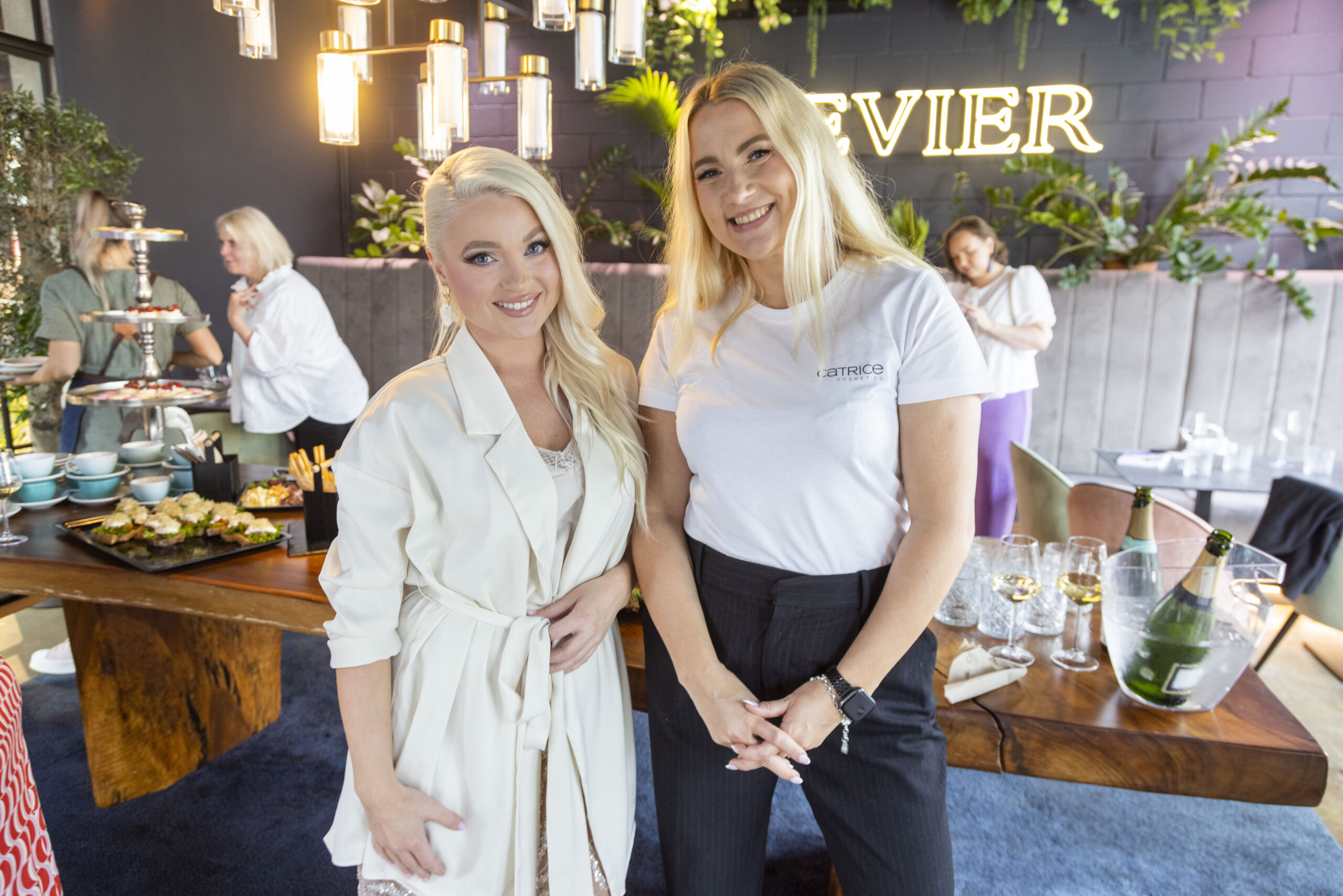
On Tuesday, 27th of August, Catrice Cosmetics presented its new Autumn/Winter 2024 collection. With the support of In Nomine and Kosmopar (LV), a gathering was organised at Levier Café in the Rotermann Quarter. The attendees of the event were journalists as well as beauty bloggers, make-up artists and influencers. The event was hosted by entertainer and singer Tuuli Rand and the application of the new collection was demonstrated by make-up artist Liis Vahter. See more in the gallery!

Photos by Erik Riikoja